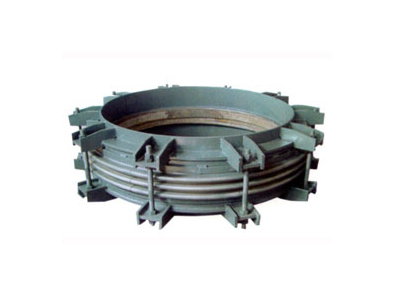
High temperature axial expansion joint
Product Introduction
High-temperature axial expansion joint (also known as high-temperature axial corrugated compensator) is a pipeline compensation device specially designed for high-temperature working conditions. It is mainly used to absorb the axial displacement of pipelines due to thermal expansion and contraction, vibration or installation deviation. The following is a comprehensive product introduction:
I. Structural composition
Core Components
Bellows: Made of stainless steel (such as 310S, 309S, titanium alloy, nickel-based alloy, etc.), the temperature resistance can reach 900 ℃ ~1300 ℃.
Connectors: Including end tubes, flanges, brackets, etc., usually made of carbon steel, some customized models can be selected from plastic or alloy.
Protective Structure: Some models contain refractory layers (sprayed or insulated bricks) and thermal insulation layers, which are completed by production and construction in stages.
Extended design
Some products are equipped with flow guide tubes to prevent the media from directly impacting the bellows and enhance the stability.
Optional small tie rod or large tie rod structure to support transverse and angular displacement compensation.
II. Technical parameters
| Parameter Item | Range/Performance | Source |
|---|---|---|
| Temperature resistance | ≤1300℃ (staged protection design can reach 1200℃ ~1300℃) | |
| Pressure range | 0.1~0.6MPa | |
| Path Range | DN300~ DN4000mm | |
| Fatigue Life | ≥2000 times (optimized design by hydroforming) |
Product Features
High temperature resistance
Through material selection (such as stainless steel 310S) and double-layer protective structure, it can adapt to high-temperature pipeline environment in electric power, metallurgy and other industries.Multidirectional compensation
Mainly axial compensation, some models can absorb lateral displacement or combined displacement, and the angular compensation ability reaches ±4° ~ ±15°.Low noise and energy saving
The bellows structure effectively reduces the vibration and noise of the system and reduces the energy consumption of the equipment.No reverse thrust design
Adopt fiber fabric or balance ring construction to avoid extra pressure on pipe supports and simplify the support system.
Application Scenarios
High temperature flue/hot air duct
It is used in high temperature gas conveying systems such as power plants and cement plants to compensate for thermal expansion deformation.Chemical and Metallurgical Pipelines
Resistance to strong corrosive media (such as acid, dust), often matched with PTFE coating or full anti-corrosion material.Boiler system
Absorb heat displacement in steam and gas pipelines and reduce equipment stress.
V. Selection and installation
Type selection recommendations
When the temperature is> 400℃, the model with refractory layer is preferred. When the temperature is
High pressure scenarios need to be matched with thick-walled bellows or duplex structures.
Installation Points
It is necessary to loosen the tie rod bolt before the pipeline pressure test to ensure free expansion and contraction.
The direction of the guide tube is consistent with the flow direction of the medium, so avoid reverse installation.
Reference to relevant standards:
Typical Design Manual of Flue Wind Pulverized Coal Compensator in Power Plant
GB/T12777 General specifications for expansion joints of metal bellows
Looking forward to working with you
If you have any questions about our products or services, please feel free to contact us